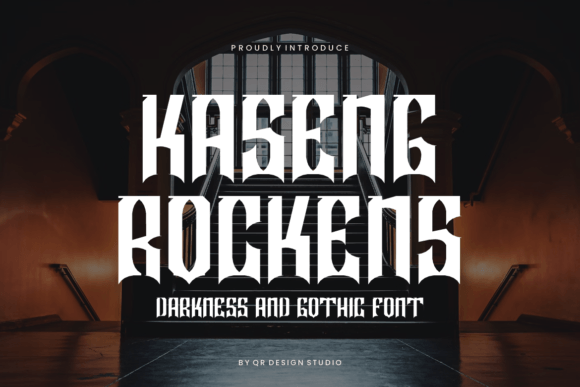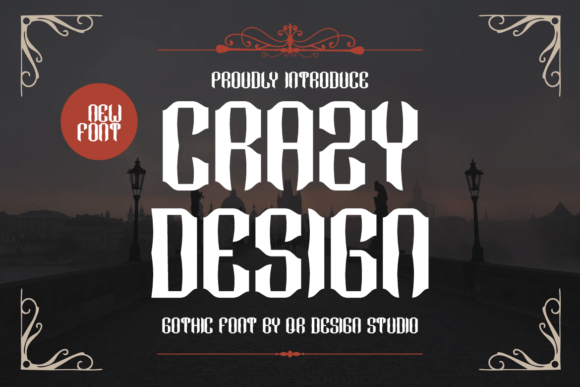
Crazy Design: A Bold Display Font for Authentic Branding
When you're working on a project that demands attention, the typeface you choose carries enormous weight. Crazy Design is one of those fonts that makes an immediate impression. It's a bold, authentic display typeface built for moments when subtlety isn't the goal. If you've been searching for a creative font that brings energy and personality to logos, apparel, packaging, or digital content, this one deserves a closer look.
What Makes Crazy Design Stand Out Visually
Crazy Design has a distinctive character that sets it apart from generic display fonts. The letterforms carry a raw, confident weight with slightly condensed proportions and deliberate imperfections that give it an authentic, handcrafted feel. It doesn't try to be polished or corporate. Instead, it leans into a bold aesthetic that feels grounded and real.
The overall personality of this typeface is assertive without being aggressive. There's a rhythm in the way the characters interact, and the spacing feels intentional. Whether you're setting a headline for a sports brand or creating a logo for an outdoor adventure company, the visual energy of Crazy Design communicates movement, confidence, and originality. It works particularly well at larger sizes where the details of each glyph become part of the design narrative.
Where This Font Shines Across Real Projects
One of the strengths of Crazy Design is its versatility across different creative contexts. Here are some areas where designers and brand builders are finding it genuinely useful:
- Logo design and brand identity — When a brand needs to project strength and authenticity, this typeface delivers. It pairs well with minimalist design systems where the typography does the heavy lifting.
- Sports and athletic branding — The bold weight and energetic character make it a natural fit for team logos, event promotions, fitness apparel, and athletic packaging.
- Packaging design — Products that need shelf presence benefit from a display font like this. Think craft beverages, artisanal goods, or streetwear labels.
- Social media graphics — Bold typography stops the scroll. Crazy Design works well for quote graphics, promotional posts, and thumbnail text where readability at small sizes matters less than visual impact.
- Editorial design and publishing — Magazine covers, book titles, and feature headlines can use this font to create dramatic visual hierarchy without relying on images alone.
- Web design headers — Hero sections and landing page headlines benefit from a typeface that commands attention the moment someone lands on a page.
- Merchandise and print-on-demand — T-shirt designs, poster prints, and sticker typography often need fonts that look great standing alone, and Crazy Design fits that role well.
It's worth noting that this is fundamentally a display font, not a workhorse for body copy. Its strength lies in headlines, titles, and short bursts of text where personality matters more than extended readability. Pairing it with a clean sans serif font or even a neutral serif font for supporting text creates a balanced typographic system.
How Typography Like This Shapes Brand Perception
The fonts you choose tell people something about your brand before they read a single word. Crazy Design communicates a specific set of qualities: boldness, originality, and an unapologetic sense of identity. For entrepreneurs and small business owners, that kind of visual language can be the difference between blending in and being remembered.
Consider how a premium font like this influences different aspects of your design work:
- Visual hierarchy — A strong display typeface anchors your layout. When Crazy Design sits at the top of a page or the center of a logo, the eye goes there first. That natural focal point lets you control the reading order of your design without relying on size alone.
- Brand recognition — Consistent use of a distinctive typeface across touchpoints builds familiarity. Over time, your audience starts to associate the visual style of the font with your brand, even without seeing your name.
- Audience engagement — Typography that feels authentic and intentional draws people in. A font with real personality encourages people to pause, read, and connect with what you're saying.
- Professionalism — Using a well-crafted commercial font signals that you take your visual presentation seriously. It's a subtle but meaningful detail that separates amateur work from polished design.
Practical Tips for Working with Crazy Design
Before committing to any typeface for a project, it helps to test it in context. Here are some practical recommendations for evaluating and using Crazy Design effectively:
Evaluate project fit first. Not every project needs a bold display font. If your brand identity leans toward minimalism, elegance, or quiet sophistication, a typeface with this much visual energy might clash with your overall direction. Crazy Design works best when the brand voice is confident, energetic, or unconventional.
Test font pairings early. Try setting Crazy Design alongside different body text options. A geometric sans serif font often works well for clean, modern layouts. A traditional serif font can create an interesting contrast for editorial or publishing projects. Avoid pairing it with other decorative or script font options, which tend to compete rather than complement.
Check the included styles and weights. Some versions of Crazy Design may include alternates, ligatures, or stylistic variations that expand your creative options. Review the full character set before starting your project so you can take advantage of everything the typeface offers.
Pay attention to readability at your target size. This font is designed for display use, which means it performs best at larger sizes. If you need to use it for subheadings or medium-length text, test it carefully across devices and print formats. Legibility should always take priority over style.
Understand the licensing terms. If you're using Crazy Design for commercial work, make sure you have the appropriate license. Most premium font licenses cover standard commercial use, but extended licenses may be needed for large-scale distribution, app embedding, or certain merchandise applications. Reading the license details upfront saves headaches later.
Use it as part of a larger design system. A single font doesn't make a brand identity. Think of Crazy Design as one piece of a broader visual language that includes color, imagery, layout principles, and tone of voice. When all those elements work together, the typography amplifies the message rather than carrying it alone.
Bringing It All Together
Crazy Design is a creative font that fills a specific role in the design toolkit. It's bold, it's authentic, and it has a visual presence that works across logos, sport branding, packaging, social media, and editorial projects. For designers, marketers, and business owners who need modern typography with real character, it's a typeface worth exploring.
The key is using it intentionally. Match it with projects that benefit from its personality. Pair it thoughtfully with supporting fonts. Test it in the actual context where it will live, whether that's a website header, a product label, or a social media campaign. When you approach Crazy Design as a strategic design asset rather than just a decorative choice, it becomes a powerful tool for building a brand that people notice and remember.