Darkpulse: A Black Metal Typeface for Brutal Design
In the world of heavy music and extreme art, your typography isn't just text; it's a weapon. It's the first visual scream that tells your audience exactly what kind of sonic or visual assault they're about to experience. You need a typeface that doesn't just sit on the page but tears through it, a font with the same raw, chaotic energy as a distorted guitar riff or a blast beat. This is where a specialized display font becomes the cornerstone of your entire brand identity.
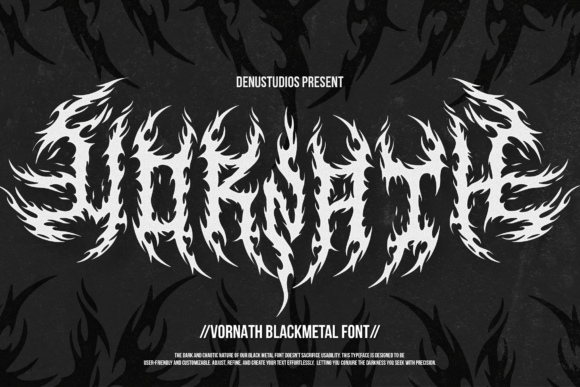
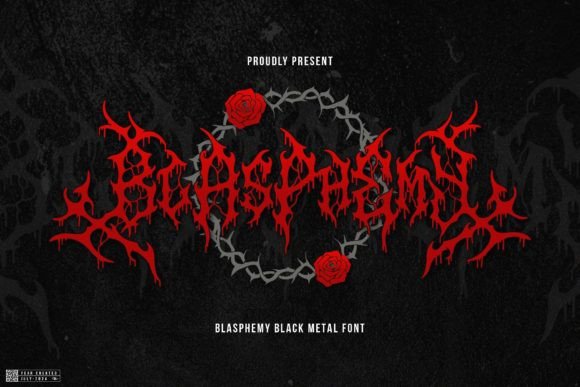
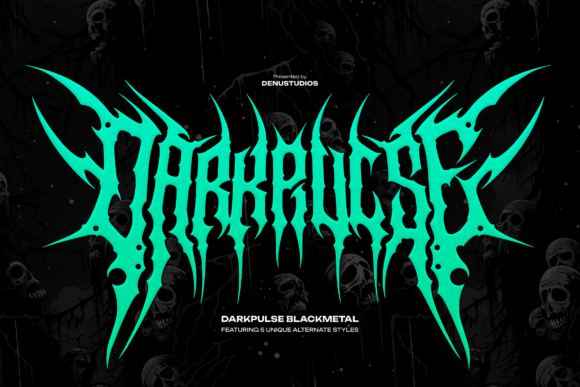
Enter Darkpulse. This isn't a gentle, readable serif for body copy. It's a purpose-built, aggressive instrument designed for maximum impact. Imagine a typeface forged in chaos—its characters are defined by jagged, unpredictable spikes and razor-sharp serifs that look like they could cut you. The overall aesthetic is intentionally brutal, unrefined, and powerful. It doesn't whisper; it roars. The visual personality of Darkpulse is one of defiance and intensity, making it an immediate attention-grabber in any context where subtlety is not the goal.
Where Chaos Commands Attention: Practical Applications
Understanding a font's personality is one thing; knowing where to deploy it is what separates a good designer from a great one. Darkpulse is a niche creative font, and its power lies in using it for the right projects. Its aggressive geometry makes it a natural fit for the music industry, particularly within the black metal, death metal, and hardcore scenes. Think band logos that need to be legible on a patch sewn onto a denim vest, or the masthead for a fanzine dedicated to underground music. It's the kind of premium font that can define the entire visual language for a record label's roster.
Beyond music, its applications extend into any project requiring a dark, visceral edge. Consider its use in:
- Horror and Gothic Artwork: Book covers for extreme horror novels, poster designs for horror film festivals, or title cards for a dark fantasy video game. The font's sharp forms evoke a sense of dread and unease.
- Apparel and Merchandise: Packaging design for craft beers with a "brutal" theme, or logo design for a streetwear brand that leans into a punk or metal aesthetic. On a t-shirt, Darkpulse makes a definitive statement.
- Event Branding: Promotional materials for haunted attractions, wrestling events, or tattoo conventions. Its high-contrast, spiky forms ensure visibility from a distance, perfect for posters and social media banners.
However, it's crucial to understand its limits. You would never use a typeface like this for a corporate report, a children's book, or a wedding invitation. Its power comes from its specificity. Using it in the wrong context would be jarring and undermine the professionalism of your project. The key is to match the font's chaotic energy with a project that embraces that same spirit.
Mastering the Chaos: Design Strategy and Font Pairing
Working with a powerful display font like Darkpulse requires a strategic approach. Its primary function is for headlines, logos, and short, impactful text blocks. Never attempt to set a full paragraph with it; readability would plummet, and the visual noise would overwhelm the viewer. Its role is to be the visual anchor, the first thing that grabs the eye and sets the tone.
This is where the art of font pairing becomes essential. To create a functional and visually coherent design, you must balance Darkpulse's intensity with a more subdued partner. The goal is to create a clear visual hierarchy. Here are some practical pairing strategies:
- With a Clean Sans Serif: Pairing Darkpulse with a neutral, geometric sans serif font (like a Helvetica, Futura, or a modern alternative) creates a stark, high-contrast look. The sans serif handles all body copy and supporting information, providing a clean, legible canvas that allows the Darkpulse headline to truly pop. This is a classic, reliable pairing for web design and social media graphics.
- With a Gritty Script or Handwritten Font: For a more layered, textured feel, you could pair it with a rough, handwritten script font. This combination works well for projects that want a more organic, DIY, or fanzine-inspired aesthetic. Be careful, though—this pairing can quickly become cluttered if not handled with ample white space.
- With a Simple Serif: While less common, pairing a chaotic display font with a simple, modern serif font can work for certain editorial design projects, like a magazine feature on a heavy metal band. The serif provides a touch of traditional structure that can make the overall design feel more considered and less chaotic.
The Darkpulse family includes 5 unique alternate styles, which is a significant advantage. Before settling on the default look, take the time to explore these variations. One style might have more pronounced serifs, while another could feature different ligatures or a more condensed form. This allows you to fine-tune the personality of your logo design or headline to perfectly match the specific mood of your project. This versatility elevates it from a single-use novelty to a robust design asset.
Evaluating Fit and Licensing
When considering any commercial font, your due diligence is paramount. First, test the font in your specific design environment. How does it render on screen versus in print? Check the kerning and spacing—does it need manual adjustment to look right in your particular word or phrase? This is especially true for display fonts with unconventional shapes.
Next, scrutinize the licensing. A font like Darkpulse is an investment in your brand identity. Ensure the license covers your intended use, whether it's for a client's logo, merchandise you plan to sell, or a website. Most premium font licenses are clear about these terms, but it's your responsibility to confirm. A properly licensed typeface is a mark of professionalism, protecting both you and your client.
Ultimately, Darkpulse is a tool for a specific job. It's not a universal solution, but for the right project, its value is immense. It provides an instant, recognizable aesthetic that communicates power, rebellion, and intensity. By understanding its strengths, pairing it wisely, and deploying it strategically, you can harness its chaotic energy to create designs that are not only seen but felt. For designers, musicians, and creators working in the heavy and the dark, it's a typeface that speaks your language fluently.