Salon: Capturing Vintage Charm for Modern Brands
There’s a certain weight to vintage design. It feels established, trustworthy, and rich with story. In a world saturated with slick, minimalist sans serifs, a typeface with genuine character can stop someone mid-scroll or catch their eye on a crowded shelf. The Salon typeface is precisely that kind of design asset. It’s a premium font collection built not just to look old, but to feel authentically rustic and full of personality. If you're working on a project that needs to convey heritage, craftsmanship, or a touch of rugged elegance, this is a typeface worth exploring.
Understanding the Salon Typeface Family
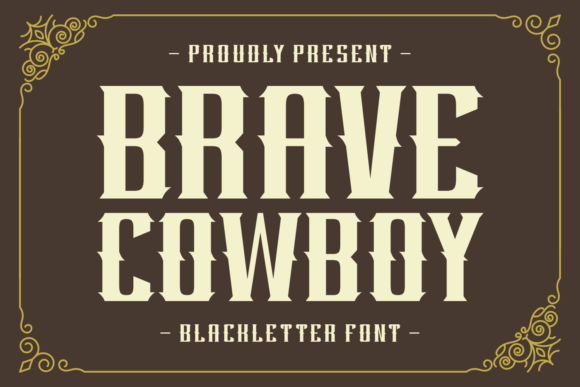
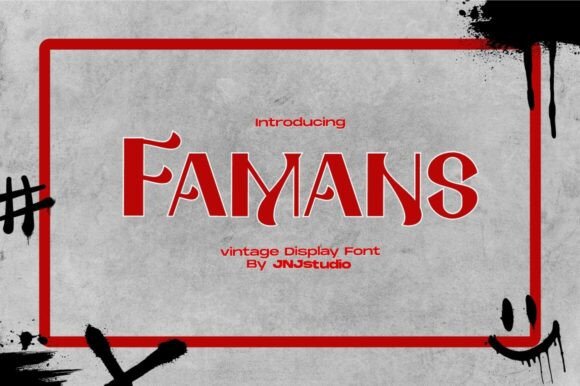
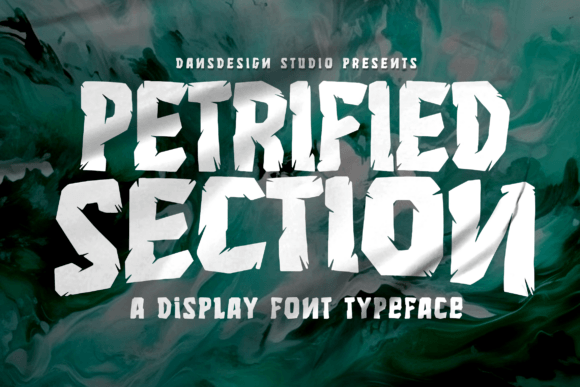
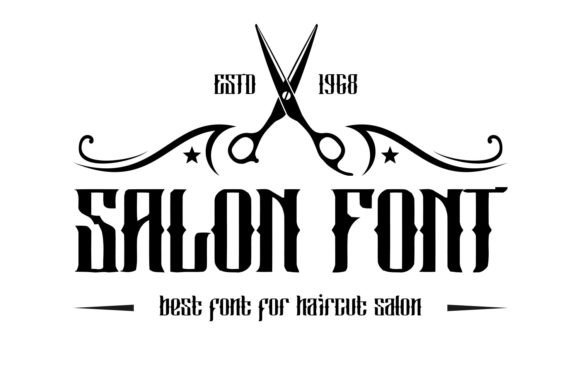
At its core, Salon is a vintage display font. That means it’s engineered for impact at larger sizes, making it a prime candidate for headlines, logos, and branding elements where you need immediate visual punch. Its visual DNA draws from early 20th-century sign painting and hand-lettered advertisements. You’ll notice subtle imperfections, varied stroke weights, and a slightly weathered texture that avoids looking digitally sterile. This isn't a clean, geometric sans serif font; it's a typeface with soul.
The collection typically includes multiple styles and alternates, allowing for customization. You might find swashes, ligatures, and different letter variations that help you avoid a repetitive look in your lettering projects. This versatility is crucial. A great brand identity needs consistency, but it also needs to feel handcrafted and unique. Salon provides the tools to achieve that balance, whether you're designing a single logo or a full suite of packaging labels.
Where This Vintage Font Truly Shines
The real value of a creative font like Salon is in its application. It’s not a workhorse body text font—its strength is in grabbing attention. Think about the projects where authenticity and nostalgia are key selling points. A craft brewery’s logo, the masthead of a men’s grooming blog, the label for a small-batch coffee roaster, or the signage for a classic barber shop. In these contexts, Salon doesn’t just display text; it communicates a brand promise of quality and tradition before a customer reads a single word.
Its applications extend into modern marketing and publishing, too. Use it for:
- Social Media Graphics: Create standout quotes, announcements, or story covers that break the pattern of generic templates.
- Editorial Design: Give magazine feature articles or blog post headers a distinct, thematic feel.
- Packaging Design: For products in the food, beverage, or artisan goods space, it instantly elevates perceived value.
- Event Branding: Perfect for wedding invitations, festival posters, or any event aiming for a retro or rustic vibe.
- Personal Crafts: From Etsy shop branding to custom stationery, it adds professional flair to hobbyist projects.
Making Smart Design Choices with Salon
Choosing the right font is a strategic decision, not just an aesthetic one. Salon influences how your audience perceives your brand. It suggests a narrative—a story of timelessness, perhaps of a family recipe passed down or a craft perfected over decades. This builds an emotional connection that modern typography sometimes misses.
However, this distinct personality requires thoughtful implementation. Here’s how to use it effectively:
Evaluate the Project Fit
Ask yourself if the vintage, rugged style aligns with your core message. It’s perfect for a coffee roaster but might clash with a cutting-edge tech startup. The font’s appeal is in its specific aesthetic; forcing it into an ill-suited project will feel dissonant.
Master Font Pairing
A display font needs a partner. Salon pairs beautifully with clean, simple sans serif fonts for body text. Think of fonts like Helvetica Neue, Open Sans, or Lato. The contrast allows the headline font to stand out while ensuring readability for longer passages. Avoid pairing it with other ornate script or handwritten fonts, which can create visual chaos.
Test Readability in Context
While Salon is designed for display, always test its readability at the size and on the medium you’ll use. On a website banner viewed on a mobile phone, ensure the letters are distinct enough. On a printed poster, check that the texture doesn’t muddy the text from a distance. Use its stylistic alternates to improve legibility if needed—sometimes a simpler letterform works better for a particular word.
Review Licensing and Included Assets
Before purchasing any commercial font, understand the license. Most premium fonts like Salon offer licenses for desktop use, web use, and sometimes app or ebook use. Ensure the license covers all your intended applications, whether for a client project, your own business, or personal work. The included font files (OTF, TTF, WOFF) and any bonus graphic assets are part of the value.
Ultimately, Salon