Scratch: Merging Metal Energy with Streetwear Edge
In the crowded landscape of digital typography, standing out requires more than just a different shape—it requires an attitude. If you have ever looked at a design and felt it lacked grit, weight, or authenticity, you are likely dealing with a typeface that is too polished for the job. This is where Scracth enters the conversation. It is not merely a font; it is a visual representation of raw sound and street-level aesthetics. For designers working on projects that demand attention, Scracth offers a solution that bridges the gap between the chaotic energy of metal band logos and the structured rebellion of neo-brutalism.
The Visual Anatomy of Scracth
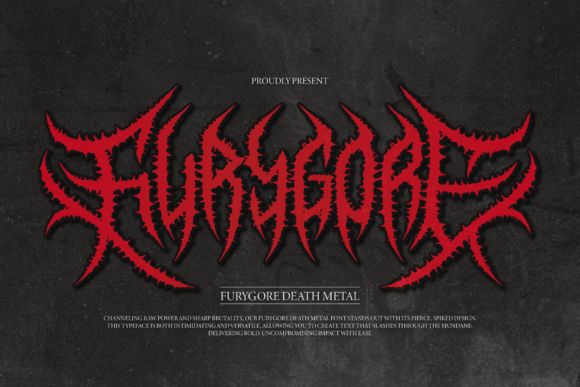
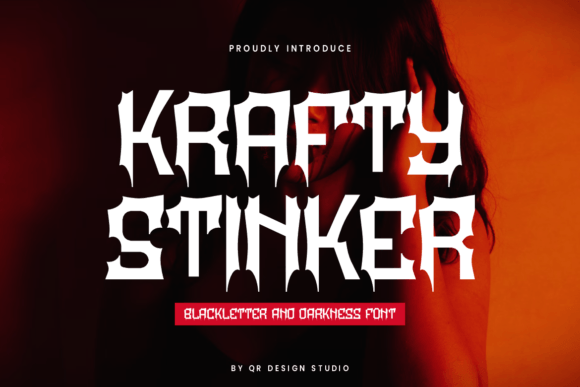
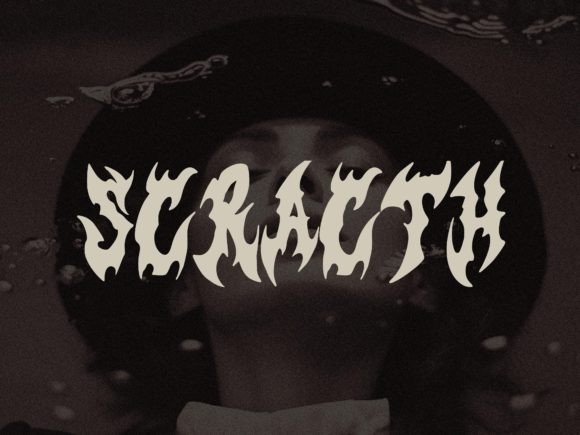
At its core, Scracth is a dark lettering font defined by its aggressive geometry and rough textures. Unlike standard sans serif fonts that prioritize clean readability, Scracth prioritizes impact. The letterforms feature sharp, angular lines that mimic the scratch of a blade or the distortion of an electric guitar. The edges are rarely perfectly smooth; instead, they carry a distressed, tactile quality that suggests manual creation rather than digital perfection.
When you look closely at the typography, you will notice a heavy visual weight. This is a typeface that commands space on the page or screen. It draws inspiration from the heavy metal aesthetic, where legibility often takes a backseat to visual intensity, but it refines those jagged elements just enough to work within modern design contexts. The "neo-brutalism" influence comes through in the boldness of the strokes. There is no fear of negative space here; Scracth fills the void with strength. It feels industrial, sturdy, and unapologetically loud.
Strategic Applications: Where Scracth Belongs
Understanding where to deploy a creative font like Scracth is half the battle. Because it is a display font, it is built for headlines, logos, and short bursts of text where emotional resonance matters more than long-form readability. It is a premium font asset that excels in specific environments.
Music and Entertainment Branding
The most obvious application is within the music industry. If you are designing album covers, concert posters, or band merchandise, Scracth provides an instant visual shorthand for rock, punk, and alternative genres. It eliminates the need for complex logo design illustrations when the typography itself can carry the "vibe" of the band.
Streetwear and Apparel
The streetwear market thrives on exclusivity and edge. Scracth fits perfectly into packaging design for limited-edition drops, screen-printed t-shirts, and hoodies. It aligns with the current trend of bold, statement-making graphics that reject minimalism in favor of character. For small business owners launching a clothing line, this font helps establish a brand identity that feels established and culturally relevant.
Digital Content and Social Media
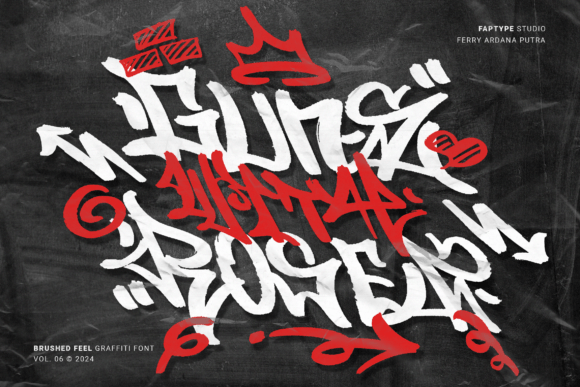
In the fast-scrolling world of social media graphics, you have milliseconds to capture attention. Scracth is excellent for YouTube thumbnails, Instagram story headers, and Twitch overlays. Its rough texture ensures it pops against both photographic backgrounds and solid color blocks, aiding in immediate visual hierarchy.
Technical Considerations for Designers
Adopting a new typeface involves practical considerations beyond just aesthetics. Scracth is designed to function as a versatile tool within your design assets library, but it requires thoughtful implementation.
Font Pairing Strategies
Because Scracth has such a distinct personality, pairing it with other fonts requires balance. You generally want to avoid pairing it with other decorative or handwritten fonts, as this will create visual chaos. Instead, lean on stability. A clean, geometric sans serif font works exceptionally well for body copy or sub-headers, allowing Scracth to dominate the headlines. Alternatively, a classic serif font can create a high-contrast editorial look, blending modern rebellion with traditional elegance. The goal is to let Scracth do the shouting while the supporting font does the talking.
Readability and Hierarchy
Typography theory suggests that display fonts should be used sparingly. Scracth is no exception. While it is legible at large sizes, using it for long paragraphs would exhaust the reader. Use it to establish the primary visual hierarchy—pulling the eye to the most important message—then switch to a more neutral typeface for the details.
Licensing and Usage
For professionals, the distinction between a free font and a commercial font is vital. Scracth is a premium font, meaning it comes with licensing that covers commercial projects. This is crucial for entrepreneurs and marketers. Using properly licensed typography protects your business from legal issues down the line. Always review the specific license to ensure it covers your intended use, whether that is digital web design, physical merchandise, or software embedding.
Elevating Your Brand Identity
Typography is one of the most powerful tools in brand strategy, yet it is often overlooked. The fonts you choose tell your audience who you are before they read a single word. If your brand identity is built on being edgy, authentic, and bold, using a standard corporate typeface creates a disconnect.
Scracth helps bridge that gap. It signals to your audience that you understand the culture you are operating in. For a blogger covering underground music or a publisher creating a magazine on urban art, Scracth provides the necessary credibility. It is a typeface that says, "We are not afraid to be different." In a market saturated with safe, sanitized design, choosing a font with this much character can be the differentiator that makes your project memorable.
Final Thoughts on Implementation
When you decide to integrate Scracth into your workflow, treat it as a focal point. It works best when it has room to breathe. Give it ample leading (line spacing) and tracking (letter spacing) to let the sharp details of the letters shine without clutter. Whether you are working on a logo for a new startup, a poster for a local gig, or a header for a digital magazine, Scracth provides the raw energy needed to cut through the noise. It is a reminder that design, at its best, is about evoking a feeling—and Scracth evokes the feeling of standing front row at a show.