Strange Mystery: Crafting Atmosphere with a Bold Typeface
When you are working on a project that needs to stop people in their tracks, standard corporate fonts rarely do the trick. If you are designing a movie poster, a heavy metal album cover, or a flyer for a haunted house attraction, you need a typeface that screams before you even read the word. This is where Strange Mystery enters the picture. It is a premium font designed specifically to evoke a visceral reaction, utilizing jagged, uneven strokes to create an immediate sense of dread and excitement.
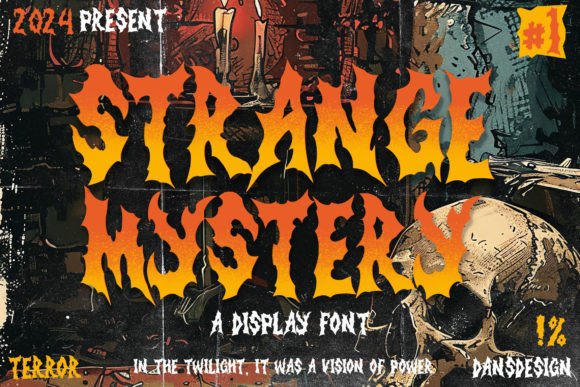
As a creative professional, I have seen many "horror" fonts fail because they are too gimmicky or illegible. Strange Mystery, however, strikes a difficult balance. It possesses a raw, aggressive energy that feels authentic to the genre. The letterforms appear as if they were etched hastily into wood or scratched onto a wall, yet they maintain a cohesive structure that makes them usable for real-world applications. It is not just a collection of scary letters; it is a tool for building atmosphere.
The Anatomy of Fear: Visual Characteristics
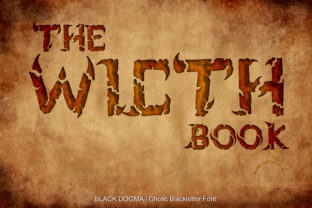
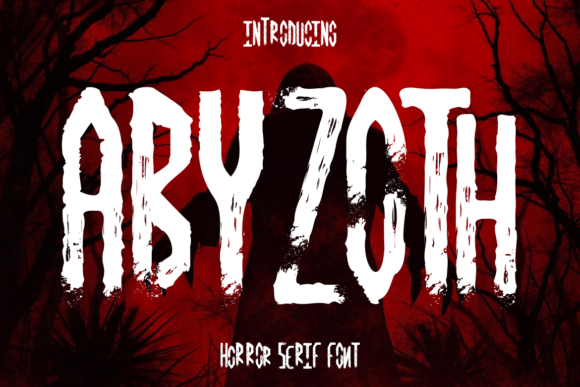
Understanding the visual weight of a display font is crucial for effective design. Strange Mystery is a serif font at its core, but it deconstructs the traditional serif rules. The strokes are irregular, mimicking the unpredictability of a nightmare. There is a distinct lack of symmetry, which forces the viewer’s eye to move erratically across the text, adding to the tension.
The "personality" of this typeface is undeniably dark, mysterious, and urgent. It avoids the campiness of cheap Halloween store graphics by utilizing a more sophisticated, hand-drawn aesthetic. The kerning (the space between letters) often allows characters to overlap or sit uncomfortably close, which is a deliberate stylistic choice to enhance that claustrophobic feeling. For designers looking to create a brand identity for a metal band, a true-crime podcast, or an escape room business, these visual characteristics provide an instant narrative without needing accompanying imagery.
Strategic Applications: Where to Use Strange Mystery
Knowing where to deploy a creative font like this is just as important as the font itself. Because of its high visual impact and "spooky" vibe, Strange Mystery is a specialized display font. It is not meant for body copy or lengthy paragraphs; its power lies in headlines and logos.
Publishing and Editorial Design
In editorial design, particularly for book covers in the horror, thriller, or dark fantasy genres, Strange Mystery excels. A title set in this typeface immediately signals the genre to the reader. It works incredibly well for magazine covers or feature headlines in niche publications. If you are a self-publisher or an author, using this font for your cover art can bridge the gap between your story and the reader's expectations, providing that professional, genre-specific look that sells books.
Digital Presence and Social Media
On platforms like Instagram or TikTok, attention spans are short. Social media graphics need to be punchy. Strange Mystery is excellent for YouTube thumbnails, particularly for channels focused on gaming (especially horror games), urban exploration, or storytelling. In web design, it should be used sparingly—perhaps for a hero section headline or a 404 error page—but when used correctly, it can make a website feel immersive and thematic.
Physical Products and Packaging
For entrepreneurs in the craft beer, hot sauce, or artisanal candy industries, packaging design often relies on bold typography to stand out on the shelf. Strange Mystery works well for limited edition releases, such as a "Ghost Pepper" sauce or a "Midnight Stout." The jagged edges of the font translate beautifully to print, especially when embossed or printed with spot UV coating, adding a tactile element to the visual fear.
Design Mechanics: Hierarchy, Pairing, and Readability
Using a bold, premium font requires a bit of strategy to ensure the final product looks professional rather than chaotic. Here is how to handle Strange Mystery in a layout.
Visual Hierarchy: This font demands to be the loudest voice in the room. Use it for H1 headers or main logos only. If you try to make everything scary, nothing is scary. Let the headline set the mood, and let the sub-headers and body text do the explaining.
Font Pairing: This is critical. Because Strange Mystery is so textured and aggressive, you need to pair it with something calm and legible. A clean sans serif font or a simple serif font works best for the body text. Avoid pairing it with script fonts or other handwritten fonts, as the visual clash will be too chaotic. A monospaced font can also work well to give a "crime scene evidence" vibe alongside the main header.
Readability Considerations: As with many decorative typefaces, readability drops significantly at small sizes. The jagged edges that look like "eerie letters" at 72pt can look like a smudge at 12pt. Always test your designs at the intended viewing size. If it is for a roadside banner, the jaggedness adds texture. If it is for a business card, you might need to increase the size significantly or choose a different font for contact details.
Practical Guidance for Implementation
Before you finalize your project with Strange Mystery, take a moment to evaluate the fit and the technical requirements.
- Check the Styles: Does the font family include alternates or ligatures? Many high-quality horror fonts include different versions of letters to prevent repetition. Utilizing these can make your typography look more organic and hand-crafted.
- Evaluate the Mood: Does "Spooky" fit your client? A law firm should probably avoid this, but a Halloween festival organizer will love it. Ensure the font personality aligns with the brand identity you are building.
- Licensing: If you are a small business owner or designer, always verify the commercial license. Ensure the commercial font license covers your specific usage, whether it is for logo design, merchandise (print-on-demand), or digital ads.
Strange Mystery is more than just a spooky typeface; it is a specialized design asset that, when used with intention, can elevate a project from mundane to memorable. It captures the essence of modern typography