Tribalizm: Echoes of Ancient Art in Modern Design
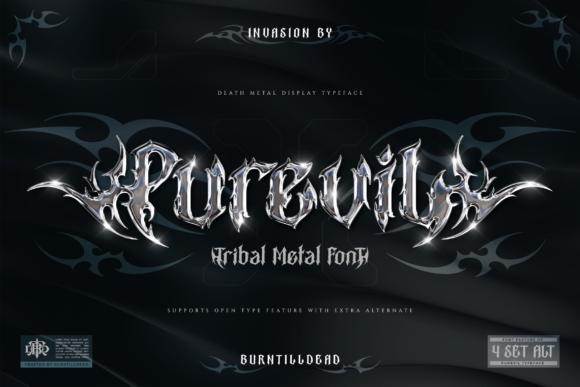
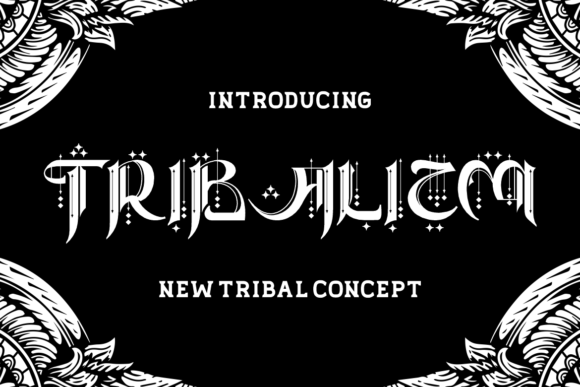
There's a certain power in a typeface that feels like it has a story to tell. Tribalizm is exactly that—a premium display font that channels the raw energy and intricate beauty of ancient tribal art. It doesn't just sit on a page; it makes a statement, evoking a sense of primal elegance and untold narratives. For designers and creators looking to inject their projects with a unique, evocative personality, this typeface offers a direct line to a visual language steeped in tradition, yet perfectly suited for contemporary applications.
Visual Character: Where Geometry Meets the Sacred
At its core, Tribalizm is a masterclass in bold, geometric construction. The letterforms are built from strong, decisive lines and angular shapes, reminiscent of the patterns carved into masks, etched into pottery, or woven into textiles. Each character carries a visual weight that commands attention, making it an exceptional choice for logo design where instant recognition and a distinct personality are paramount. The font’s style is unapologetically bold, making it less suitable for body text but a powerhouse for headlines, titles, and focal points. Its aesthetic bridges the gap between the ancient and the modern, offering a creative font option that feels both timeless and urgently current.
The overall appeal lies in its duality. It can feel mystical and ceremonial, perfect for projects related to adventure, spirituality, or storytelling. Alternatively, its structured geometry lends it a modern, almost architectural quality. This makes it versatile for a range of brand identity projects, from outdoor apparel companies wanting to symbolize courage and heritage to boutique breweries or music festivals seeking an enigmatic, artisanal vibe. When you choose Tribalizm, you’re not just selecting letters; you’re adopting a visual philosophy.
Practical Applications: From Branding to Bookshelves
Understanding where a font like this excels is key to using it effectively. Its primary strength is as a display font for high-impact, low-volume text. Think of it as the anchor of your visual hierarchy.
- Branding & Logo Design: Tribalizm shines in creating logos that need to convey strength, tradition, or a connection to nature and culture. It’s ideal for adventure brands, artisanal product labels, or cultural institutions. The key is to ensure the accompanying typography (for taglines or body copy) is simpler—a clean sans serif font or a subdued serif font often works best to maintain readability.
- Editorial & Packaging Design: Use it for chapter titles in a mystical fantasy novel, the cover of a travel memoir, or the headline on a craft product box. In packaging design, it can hint at the product's exotic or handcrafted origins, creating shelf appeal that tells a story before the customer even reads a word.
- Digital & Print Media: For web design, it’s perfect for hero section headlines or section titles on a niche blog about anthropology or outdoor adventures. In social media graphics, it can make event announcements or quote cards stand out in a crowded feed. For print, think event posters, business cards for creative studios, or unique greeting card designs.
A particularly clever application is in children’s educational materials or book titles. The juxtaposition of the font’s ancient, almost mysterious aesthetic with themes of learning and innocence can spark curiosity in a way a standard, playful font cannot. It invites questions and engagement.
Making Tribalizm Work: A Designer's Perspective
Integrating a specialized typeface like Tribalizm into your toolkit requires a thoughtful approach. Here’s how to evaluate and use it for maximum impact.
Evaluate Project Fit: First, ask if the font’s personality aligns with your project's message. Is it a serious brand about sustainable living? Tribalizm could work beautifully. Is it a law firm? Probably not. The font’s inherent style should amplify, not contradict, your core message. Always test it in context with your other design assets.
Master Font Pairing: This is non-negotiable. Because Tribalizm is so visually dominant, it needs a partner that complements without competing. A classic approach is to pair it with a neutral, highly legible modern typography workhorse. For example, use Tribalizm for a main headline, then set subheadings in a medium-weight sans serif font like Montserrat or Lato, and body text in a regular weight of the same family. This creates a clear visual hierarchy that guides the reader’s eye.
Consider Readability and Licensing: At small sizes or in long paragraphs, its intricate details can become muddy. Use it at larger scales where its craftsmanship can be appreciated. Always check the licensing terms for your intended use—whether for a personal blog (hobbyist use) or a commercial product (commercial font license). Most premium fonts come with clear guidelines.
Ultimately, Tribalizm is more than a creative font; it’s a tool for visual storytelling. It offers a way to infuse projects with a sense of history, depth, and character that generic fonts simply cannot provide. By using it strategically and pairing it wisely, you can create designs that resonate on a deeper level, capturing attention and leaving a lasting impression. It’s a valuable addition to any designer’s or creator’s library, ready to bring a touch of primal elegance to the modern canvas.