Unleash the Edge: Mastering the Death Angel Typeface
If you are searching for a typeface that commands immediate attention without shouting, Death Angel is a design asset you need to understand. It is not just another font; it is a statement piece. In a digital landscape saturated with rounded, friendly sans serifs and delicate scripts, this particular premium font cuts through the noise with a distinct, aggressive personality. It features crisp, sharp lines and hard angles that lean slightly towards the vertical, creating a visual rhythm that feels both modern and intimidating. For designers, entrepreneurs, and content creators, understanding how to wield this tool is the difference between a project that looks dangerous and one that looks messy.
The Anatomy of Aggression: Visual Characteristics
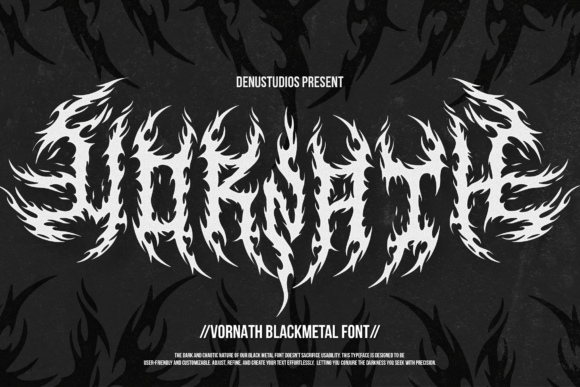
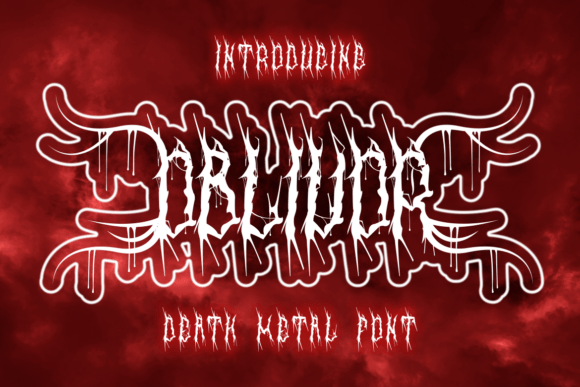
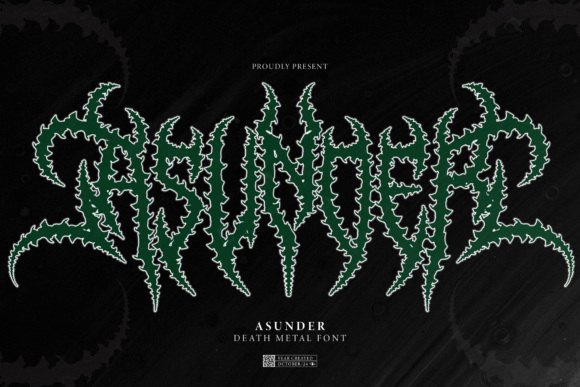
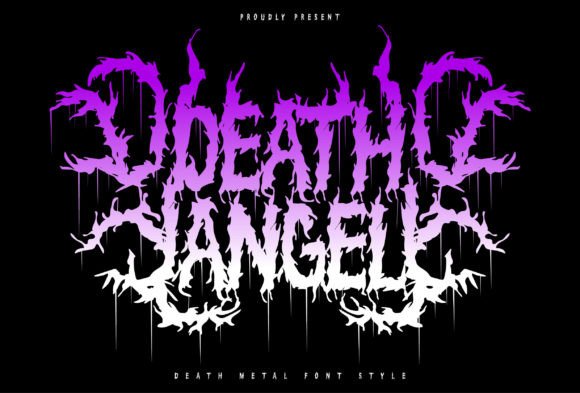
When we talk about modern typography, we often discuss legibility and neutrality. Death Angel flips that script. It belongs firmly in the category of a display font, meaning it is designed specifically for impact rather than long-form reading. The defining characteristic here is the geometry. The letterforms are constructed with precision, utilizing hard angles that mimic the edge of a blade or the sharp turn of a highway. There is very little curve to be found; instead, you get a series of straight lines and sharp junctions that give the text a kinetic, forward-moving energy.
The "personality" of this typeface is undeniably aggressive. It leans slightly vertical, which tricks the eye into seeing height and power. This creates a sense of scale, making even small text feel imposing. However, raw aggression isn't the only trick up its sleeve. The font comes accompanied by additional ornaments and swashes. Because it is PUA encoded, you have full access to every glyph and flourish. This means you aren't stuck with the default look. You can custom style the letters to add a layer of gothic elegance or industrial complexity, depending on your needs.
Strategic Applications: Where Sharp Lines Thrive
Knowing what a font looks like is one thing; knowing where to use it is another. The practical value of Death Angel lies in its versatility within specific niches. It is a creative font that excels in high-energy environments. Here is how different professionals can leverage its unique structure:
- Logo Design and Brand Identity: If you are building a brand that needs to convey strength, speed, or rebellion, this is your typeface. Think about automotive shops, fitness brands, extreme sports teams, or heavy metal merchandise. The sharp angles suggest precision and durability. When used in a logo design, it instantly anchors the brand in a specific, memorable aesthetic.
- Editorial Design and Publishing: For editorial design, specifically in magazines or book covers dealing with thriller, sci-fi, or horror genres, Death Angel sets the mood instantly. It works beautifully as a drop cap or a pull quote, breaking up the monotony of standard serif fonts or sans serif fonts.
- Packaging Design: In the realm of packaging design, shelf appeal is everything. A product using this font stands out against competitors using generic typefaces. It is particularly effective for craft beers, energy drinks, or gaming peripherals where the packaging needs to communicate "high performance."
- Digital and Web Design: While you wouldn't use Death Angel for your website's body text, it is a powerhouse for headers and hero sections in web design. It grabs the user's attention immediately upon landing on the page, setting the tone for the user experience.
Design Dynamics: Influence on Hierarchy and Perception
A font does more than spell out words; it influences how those words are interpreted. The choice of typeface affects visual hierarchy, brand perception, and audience engagement. When you introduce Death Angel into a layout, you are making a strategic decision to elevate the visual weight of specific text elements.
Consider visual hierarchy. Because of its high contrast and sharp geometry, this font naturally sits at the top of the hierarchy. It commands the eye to look at it first. This makes it an excellent tool for headlines, subheadings, and calls to action. By pairing it with a more neutral body font, you create a clear distinction between "what to look at" and "what to read."
In terms of brand perception, typography is a silent ambassador. A brand using Death Angel is perceived as bold, confident, and perhaps a bit edgy. It signals that the brand is not afraid to be different. For entrepreneurs and small business owners, this is a powerful psychological trigger. It tells your audience that you are serious about your craft and that you offer something distinct.
Practical Execution: Pairing and Licensing
Using a display font effectively requires a bit of finesse. You cannot simply install it and hope for the best. Here is some practical guidance for integrating this commercial font into your workflow.
Font Pairing is Crucial: The sharpness of Death Angel needs a counterbalance. If you pair it with another aggressive font, the design becomes chaotic. Instead, look for font pairing options that are simple and clean. A geometric sans serif font works well for subtitles, while a classic serif font or a highly legible sans-serif works best for body copy. The goal is contrast. Let the headlines be the "loud" element and the body text be the "quiet" element.
Testing for Readability: Always test your readability at the actual size it will be viewed. While the letters are distinct, the heavy ornamentation and sharp angles can blur together if the font size is too small, particularly on low-resolution screens. Use it large and proud. If you are working on social media graphics, ensure the kerning (spacing between letters) is adjusted. Sometimes, tight kerning looks good for logos, but for social posts, you may need to open it up slightly so the sharp edges don't overlap visually.
Licensing and Assets: Before you use Death Angel in a commercial project, verify your license. Since it is a premium font, the license usually covers specific uses like digital ads, physical merchandise, or software embedding. Ensure your design assets folder is organized with the correct version of the font to avoid legal headaches later.
Conclusion: A Tool for the Bold
Death Angel is more than just a collection of sharp vectors; it is a tool for storytelling. Whether you are designing a poster, launching a clothing line, or creating a thumbnail for a video, this typeface provides the visual impact necessary to stop the scroll. By understanding its characteristics—its vertical lean, its hard angles, and its PUA-encoded versatility—you can harness its power to create designs that are not only professional but also unforgettable. It bridges the gap between gothic aesthetics and modern typography, offering a unique solution for anyone willing to embrace the edge.