Aquenskov: A Display Font with Vintage Soul
In a world saturated with clean sans-serifs and elegant serifs, standing out requires a different kind of visual language. Enter Aquenskov, a Cyrillic-inspired display font that doesn't just occupy space—it commands it with an air of mystery and vintage cool. This isn't your everyday workhorse typeface; it's a specialized tool for projects that demand a bold, intriguing personality. For designers, entrepreneurs, and creators seeking a unique font to elevate their work, understanding Aquenskov's character is the first step to harnessing its power.
Character and Visual Style: More Than Just Letters
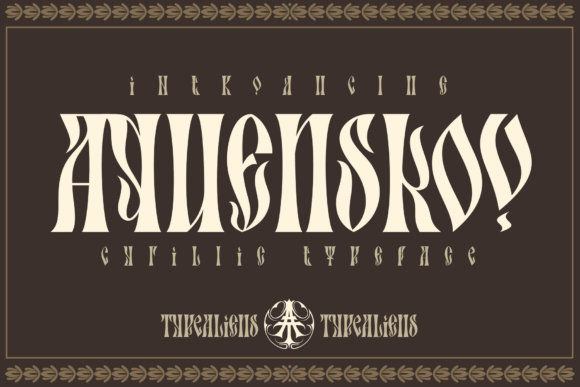
Aquenskov's DNA is rooted in Cyrillic letterforms, giving it an inherently distinct and slightly unfamiliar aesthetic to Western eyes. This is its core strength. The font features a bold, substantial body with condensed proportions and sharp, geometric angles. It feels both retro and futuristic, like a signal from a mid-20th century Eastern European space program. The "imperfect" quality mentioned in its description isn't a flaw; it's a deliberate character trait. Slight irregularities in the letter shapes contribute to its handmade, authentic feel, preventing it from looking sterile or overly digitized.
This personality makes it a prime candidate for projects where you want to evoke curiosity. Think of the opening credits of a spy thriller, the logo for a niche tech startup, or the headline on a poster for an underground music event. Its mysterious nature invites the viewer to look closer, making it an excellent choice for creative font applications in editorial design and packaging design where first impressions are critical.
Practical Applications: Where Aquenskov Shines
As a display font, Aquenskov's purpose is clear: it's built for impact, not for body copy. Its readability at small sizes or in long paragraphs is naturally lower than that of a serif font or sans serif font. This is a crucial consideration. Using it for a 300-word product description would frustrate readers. However, when used as intended, it becomes a powerful design asset.
Logo and Brand Identity: Aquenskov excels here. A logo set in this typeface immediately communicates that a brand is different, confident, and perhaps a bit enigmatic. It's particularly effective for personal branding for artists, musicians, or consultants who want a distinctive mark, as well as for product branding in industries like specialty coffee, craft spirits, or boutique apparel. The font's bold structure ensures it remains recognizable even at smaller sizes, like on a favicon or a social media profile picture.
Marketing and Digital Media: For social media graphics and digital ads, Aquenskov can stop the scroll. A single, impactful headline set in this font can cut through the noise of a busy feed. It's also ideal for web design elements like hero section titles, call-to-action buttons, or section headers where you want to inject personality. Pairing it with a clean, highly legible modern typography choice for body text creates a dynamic and effective visual hierarchy.
Working with Aquenskov: A Designer's Guide
Adopting a premium font like Aquenskov requires a thoughtful approach to ensure it enhances, rather than hinders, your project.
- Evaluate the Project Fit: Before you even install the font, ask: Does this project call for a mysterious, vintage, or quirky tone? Is it primarily for headlines and logos? If the answer is yes, you're on the right track. If the project demands ultimate clarity and professionalism in dense text, you should probably look elsewhere.
- Master the Font Pairing: This is non-negotiable. Never use Aquenskov for all your text. The best practice is to pair it with a highly readable companion. A simple, geometric sans serif font like Montserrat or Inter works beautifully, providing a clean counterbalance. For a more classic, editorial feel, a sturdy serif font like Lora or Merriweather can create a compelling contrast.
- Explore the Included Styles: Check what's in the font package. Does it include multiple weights (e.g., Regular, Bold)? Are there alternate characters or stylistic sets? Understanding these options allows you to add more variety and nuance within the same typeface family, strengthening your brand identity and design consistency.
- Test Readability in Context: Don't just look at a specimen sheet. Set your actual headline, your brand name, or your tagline in Aquenskov. View it at the intended size, on both a screen and in a print mockup if possible. Does it remain legible and impactful? The "cool feel" shouldn't come at the cost of your message being lost.
- Understand the Licensing: As a commercial font, Aquenskov will have a license agreement. Read it carefully. Ensure the license covers your intended use, whether it's for a single client project, unlimited projects, or specific digital applications like app or e-book embedding. This is a fundamental part of professional practice.
Ultimately, Aquenskov is a specialized instrument. Its value lies not in being universally applicable, but in being the perfect solution for specific, memorable moments in design. By respecting its character and applying it strategically, you can leverage this creative font to build a brand identity that is truly unique, intriguing, and impossible to forget. For those willing to explore beyond the conventional, it offers a distinct path to visual distinction.