Tosca: Infusing Your Designs with Vintage Tuscan Soul
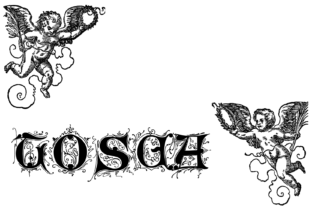
There’s a certain warmth to Italian design, a blend of artistry and heritage that feels both timeless and inviting. When you bring a typeface like Tosca into your work, you’re not just selecting letters; you’re adopting a piece of that spirit. Tosca is a classic Tuscan vintage font, characterized by its distinctive flared serifs and a gentle, almost hand-hewn quality. It carries the weight of history without feeling stuffy, offering a unique touch that can transform a standard design into something with genuine character.
Unlike the sharp precision of a modern geometric sans serif or the formal elegance of a traditional serif font, Tosca occupies a unique space. Its personality is warm, approachable, and rich with narrative. Think of the signage in a quiet Italian village, the lettering on an old wine label, or the masthead of a boutique magazine. Tosca evokes that same sense of authenticity and craftsmanship. It’s a display font at heart, meaning it’s built to command attention in headlines and logos, rather than to be set in long, dense paragraphs. This makes it an incredibly potent tool for establishing a strong first impression.
Where Tosca Truly Shines: From Brand Identity to Digital Stories
Understanding a font's personality is the first step; knowing where to deploy it is the practical next move. Tosca’s strength lies in projects where you want to convey a sense of history, quality, and human touch. Its visual style makes it a fantastic choice for a wide range of creative endeavors, but it excels in specific contexts.
- Logo Design and Brand Identity: For businesses that want to feel established, artisanal, or rooted in tradition, Tosca is a natural fit. Imagine a specialty coffee roaster, a craft brewery, a farm-to-table restaurant, or a bespoke tailor. A logo set in Tosca immediately communicates a commitment to quality and a story worth telling. It helps build a brand identity that feels both professional and personal.
- Editorial and Packaging Design: In publishing, Tosca can give a book cover, magazine headline, or event poster a dramatic, eye-catching presence. For packaging, it’s perfect for products that rely on a story of origin—think olive oil, artisanal cheese, or handmade soaps. It adds a layer of perceived value and authenticity that generic fonts simply can't match.
- Web and Digital Presence: While it’s not for body copy, Tosca works beautifully as a creative font for website headers, hero text, and call-to-action buttons. Paired with a clean, legible sans serif font for the main text, it creates a stunning visual hierarchy that guides the user’s eye and establishes the site’s mood in an instant.
- Social Media and Marketing: In a crowded digital space, Tosca helps your social media graphics stand out. Use it for quotes, announcements, or sale graphics to inject personality into your feed. Its unique letterforms are memorable, helping to build recognition and engagement with your audience.
The Practical Art of Choosing and Using Tosca
Integrating a premium font into your workflow is a strategic decision. It’s not just about what looks good in the moment, but how it functions within your entire project and brand ecosystem. Here’s how to approach using a typeface like Tosca effectively.
Evaluating the Fit and Testing Pairings
Before committing, ask yourself: does this font’s personality match my project’s core message? Tosca is warm and vintage. If you’re designing for a cutting-edge tech startup, it might create a disconnect. But for a brand built on heritage or handcraft, it’s a perfect match. Once you’ve decided the fit is right, the next crucial step is font pairing. Tosca’s distinct character demands a simple partner. A clean sans serif font like Helvetica, Open Sans, or Lato makes an excellent companion for body text, allowing Tosca to be the star of the show without overwhelming the design. Avoid pairing it with other ornate display fonts or script fonts, as this will create visual chaos and harm readability.
Understanding Styles and Licensing
A well-crafted font family like Tosca often comes with more than just the standard regular weight. Check for different styles—perhaps a bold, an italic, or even a condensed version. These variations give you more flexibility to create visual hierarchy and emphasis within your headlines. Furthermore, always be mindful of the commercial font licensing. Ensure the license covers your intended use, whether it’s for a small business logo, a national advertising campaign, or a digital product. Proper licensing protects you legally and supports the talented designers who create these valuable design assets.
Prioritizing Readability Above All
The golden rule of typography is that design must serve communication. While Tosca is a beautiful typeface, its ornate nature means it must be used with care. Always test your text at the size it will be viewed. A headline that looks majestic on a large poster might become an illegible blur on a mobile screen. Ensure there is sufficient contrast between the text and its background. The goal is for the font’s unique charm to enhance the message, not obscure it. By using Tosca intentionally and thoughtfully, you can leverage its vintage Tuscan soul to create designs that are not only beautiful but also clear, effective, and deeply engaging.