Dracula: A Gothic Typeface for Bold, Unforgettable Design
There's a certain weight to a well-chosen typeface. It can ground a design, give it a voice, and tell a story before a single word is read. The Dracula font family is one of those typefaces. It doesn't whisper; it speaks with a confident, gothic clarity that's impossible to ignore. For designers, entrepreneurs, and creators looking for a premium font with real character, Dracula offers a compelling blend of historical style and contemporary utility.
More Than Just Spooky: The Personality of Dracula
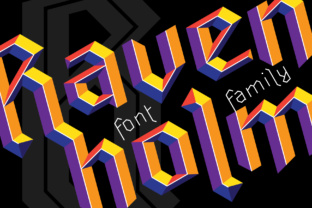
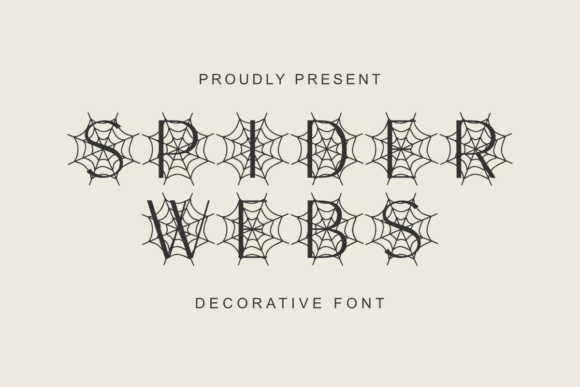
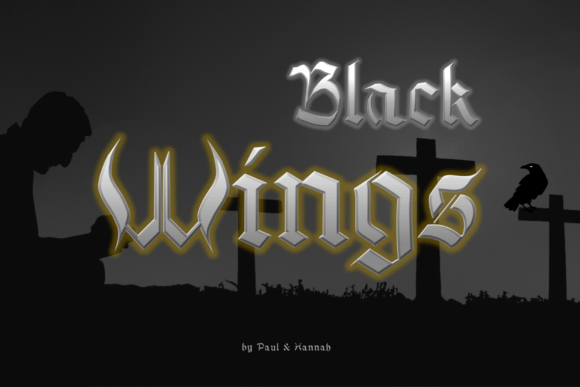
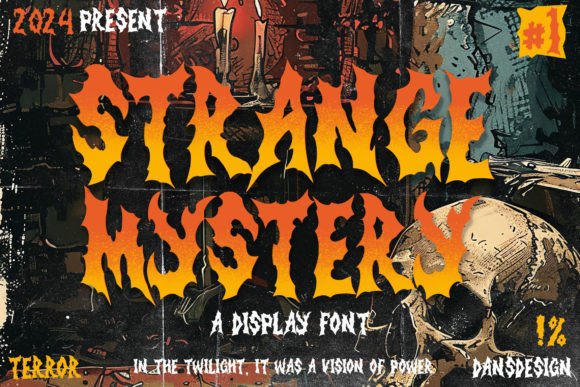
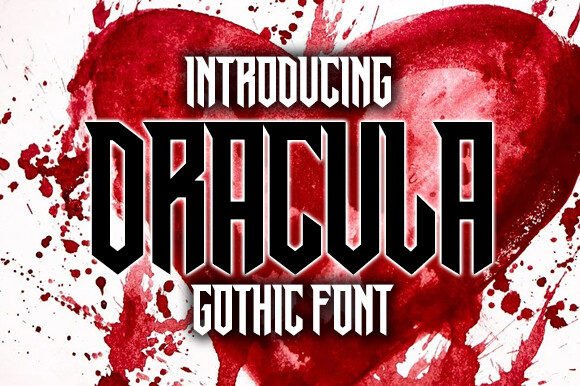
At its core, Dracula is a display font rooted in gothic letterforms. Think of the strong, structured shapes you might see on old cathedral stone or in classic horror movie posters, but refined for modern use. The strokes have a confident heft, with sharp, intentional serifs that give it a sturdy, almost architectural presence. This isn't a fragile or overly ornate script; it's a typeface built for impact.
The family comes in two versatile variants: Regular and Condensed. The Regular width provides a balanced, commanding presence perfect for headlines that need to breathe. The Condensed variant is a workhorse for tighter spaces, allowing you to pack a visual punch in layouts where real estate is limited, like on a t-shirt design or a crowded event flyer. This duality makes Dracula far more practical than a single-style gothic font.
Where to Unleash Dracula's Potential
Understanding a font's personality is one thing; knowing where to deploy it is where strategy comes in. Dracula's bold aesthetic makes it a natural fit for projects that need to establish a strong, memorable brand identity from the first glance.
Physical Products and Apparel: This is where Dracula truly shines. Imagine it on a band t-shirt, a craft brewery label, or a poster for a local theater production. The Regular style can dominate a chest print, while the Condensed version is excellent for sleeve prints or detailed product information on packaging. Its high-contrast shapes ensure legibility even when printed on textured materials.
Branding and Logo Design: For businesses in the entertainment, gaming, beverage, or artisanal goods sectors, Dracula can form the backbone of a powerful logo design. It immediately communicates themes of tradition, craftsmanship, and a touch of the dramatic. Pair it with a clean sans serif font for body text to create a balanced and professional font pairing that feels both classic and accessible.
Marketing and Digital Presence: In the digital realm, Dracula is perfect for creating arresting social media graphics, website hero sections, and email headers. It grabs attention in a crowded feed. For editorial design, like magazine covers or chapter headings in a book, it sets a powerful tone. Just be mindful of using it for long blocks of text online; its strength is in headlines and pull quotes, not in body copy for web design.
Making Dracula Work for You: Practical Guidance
Choosing a creative font like Dracula is a decision that affects the entire design ecosystem. Here’s how to implement it effectively.
Evaluate the Fit: Ask yourself if your project's personality aligns with Dracula's. Is it about tradition, strength, edginess, or storytelling? A children's party invitation might not be the right home, but a mystery novel cover or a vintage motorcycle brand absolutely could be. It's a commercial font with a specific voice, so ensure that voice matches your message.
Test Font Pairings Relentlessly: Never use Dracula in isolation. Its power is amplified by contrast. Pair it with a simple, geometric sans serif like Montserrat or Lato for modern projects. For a more classic feel, try it with a clean serif font like Georgia or a timeless script font for elegant contrast. Always test your pairings in context—on a mockup poster, a website header, or a product label—to see how they interact.
Master the Variants: Don't just default to Regular. The Condensed style is a secret weapon for hierarchy. Use the Regular for your main headline and the Condensed for a sub-headline or a call-to-action button. This creates visual interest and guides the viewer's eye naturally through your layout.
Prioritize Readability: Even the most striking display font fails if it can't be read. Always check the legibility of your chosen words at the intended size. Pay special attention to tricky letter combinations (like 'r' and 'n' next to each other) and ensure there's enough space between characters (tracking) for clear reading, especially in smaller applications like packaging design.
Understand the License: As a premium font, Dracula comes with a commercial license. Before you use it in a client project, a product for sale, or widely distributed marketing materials, review the licensing terms. This protects you legally and ensures the font creator is fairly compensated for their work—a key part of being a professional in the creative field.
In the end, a typeface like Dracula is more than just a set of letters; it's a design asset that carries history, mood, and intention. By using it thoughtfully, you can inject a dose of bold, gothic sophistication into your projects, ensuring they are not only seen but remembered. It’s a tool for creators who understand that the right font doesn't just display words—it amplifies their meaning.