Flamiest: The Horror Display Font That Sets Designs on Fire
When you're working on a project that needs to grab attention immediately, the typeface you choose does more than just convey words—it sets the entire mood. For designers, marketers, and creatives looking to inject a sense of urgency, danger, or supernatural flair into their work, standard options often fall flat. This is where Flamiest enters the conversation. It isn’t just a collection of letters; it is a distinct visual tool designed to evoke a visceral reaction. As a premium font, it bridges the gap between legibility and artistic chaos, offering a unique solution for projects that demand to be seen.
Anatomy of a Nightmare: Visual Style and Personality
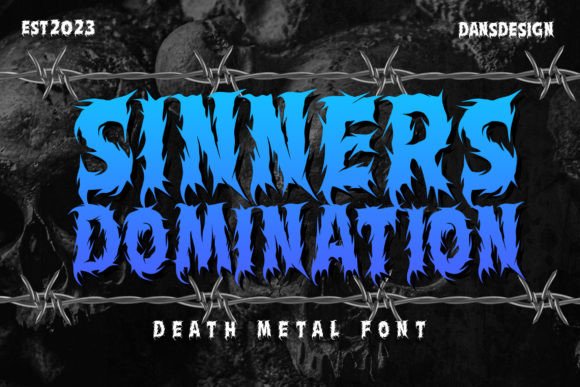
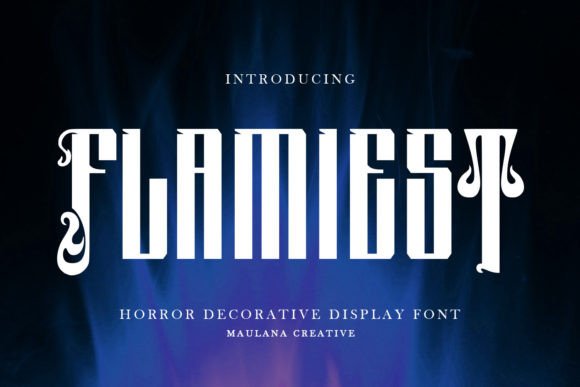
At its core, Flamiest is a horror display font, but that label only scratches the surface of its visual language. The defining characteristic of this typeface is its sharp, jagged architecture. The letterforms mimic the erratic movement of flames or the jagged edges of broken glass. Unlike a traditional serif font or a clean sans serif font, Flamiest rejects smooth curves and uniform lines. Instead, it embraces irregularity, creating a texture that feels alive and slightly dangerous.
The personality of Flamiest is aggressive and unapologetic. It commands the space it occupies, making it unsuitable for body text but invaluable for headlines. The visual weight of the font is heavy, yet the "flickering" details in the negative space keep it from feeling like a solid block. This balance allows it to maintain a certain level of clarity despite its complex shape. It reads as a creative font that understands the aesthetics of the macabre, perfect for evoking a sense of dread or excitement without needing elaborate illustrations to support it.
Practical Applications: Where to Deploy the Heat
Understanding the strengths of a display font like Flamiest is key to using it effectively. Because of its high-impact nature, it shines brightest in scenarios where short bursts of text need to dominate the visual hierarchy.
Event Branding and Themed Marketing
The most obvious application is in seasonal marketing, particularly for Halloween events, haunted houses, or horror film festivals. However, its utility extends beyond October. Escape rooms, heavy metal bands, and extreme sports brands often struggle to find a typeface that matches their high-energy identity. Flamiest works exceptionally well for these niches. When applied to a poster or a flyer, the font does the heavy lifting of setting the atmosphere, allowing the rest of the design to remain relatively simple.
Digital Presence and Social Media
In the realm of web design and social media graphics, stopping the scroll is the primary goal. Flamiest is an excellent choice for YouTube thumbnails, podcast cover art, or Instagram stories where the topic involves mystery, true crime, or dark fantasy. For packaging design, particularly for niche products like craft hot sauces, energy drinks, or edgy streetwear, this font can create a distinct shelf presence. It signals to the consumer that the product inside is intense and not for the faint of heart.
Publishing and Editorial Design
For publishers and bloggers, Flamiest offers a way to break the monotony of standard typography. It is particularly effective for book covers in the horror or thriller genres. In editorial design, it can be used sparingly for drop caps or pull quotes to add visual interest to a spread. However, it requires a careful hand; using it for subheadings in a long-form article might prove distracting, so it is best reserved for the "hook" elements of a layout.
Strategic Typography: Influence on Brand Perception
Choosing a typeface is a strategic decision that influences how an audience perceives a brand. Typography is a silent ambassador, and selecting a font like Flamiest sends a very specific message. It tells the audience that the brand is bold, unconventional, and perhaps a little rebellious. This is crucial for brand identity development in crowded markets.
When you pair a font like Flamiest with a more neutral typeface, you create a dynamic font pairing. For example, combining Flamiest with a geometric sans serif font for body text creates a high-contrast hierarchy. The display font grabs attention, while the sans serif ensures the message is readable. This contrast is a fundamental principle of modern typography, helping to guide the viewer’s eye from the headline to the details.
However, brand perception relies heavily on consistency. If you use Flamiest for a logo or a header, the aesthetic of that "fiery" vibe needs to carry through the rest of the design assets. If the supporting imagery is too soft or corporate, the disconnect can feel jarring. Therefore, this font is best suited for brands that fully embrace a darker, edgier aesthetic across all touchpoints, from their website to their print collateral.
Implementation Guide: Making the Most of Flamiest
As a creative professional, integrating a new premium font into your toolkit requires a bit of testing and strategy. Here are practical steps to ensure Flamiest works for your specific project needs.
- Evaluate the Context: Before downloading, visualize the font in your specific layout. Is the project formal or casual? Flamiest is decidedly casual and thematic. If you are designing a corporate annual report, this is not the right tool. If you are designing a festival wristband, it is perfect.
- Check the Character Set: Review the included styles and glyphs. High-quality display fonts often include alternates, ligatures, or stylistic sets that can change the look of specific letters. Experimenting with these can help you avoid repetitive shapes in a headline, making the design feel more organic and hand-crafted.
- Test for Readability: Even with a display font, legibility matters. Test the font at the actual size it will be viewed. A complex typeface like Flamiest might lose detail if printed too small on a business card but look stunning on a billboard or screen.
- Understand Licensing: Ensure you have the correct commercial font license for your use case. If you are using it for a client’s logo design or on merchandise for sale, a desktop license is usually required. Always verify the terms to protect your work and your client.
- Pair Wisely: Don't compete for attention. If Flamiest is the star of the show, let your secondary font play a supporting role. A simple serif or sans serif works best. Avoid pairing it with other expressive styles like a script font or handwritten font, as this will create visual clutter.
Ultimately, Flamiest is a specialized tool for specific creative problems. It is not a workhorse font for daily documentation, but for the right project, it is irreplaceable. By leveraging its sharp, flame-like characteristics, you can create designs that are not only visually striking but also emotionally resonant. Whether you are a designer crafting a movie poster or a small business owner launching a seasonal product line, this typeface offers a way to harness the power of fire and fear in your typography.