Lilly: The Handwritten Font for Authentic Brand Connections
In a digital landscape saturated with crisp, geometric sans serifs and predictable serifs, there's a growing hunger for authenticity. We're drawn to the human touch, the imperfect line, the feel of something made by hand. This is precisely the space that the Lilly font occupies so beautifully. It's not just another script font; it's a carefully crafted tool designed to inject warmth, personality, and a genuine romantic sensibility into your projects. For designers, entrepreneurs, and creators, Lilly offers a way to communicate on a more personal, emotional level.
Understanding Lilly's Visual Personality
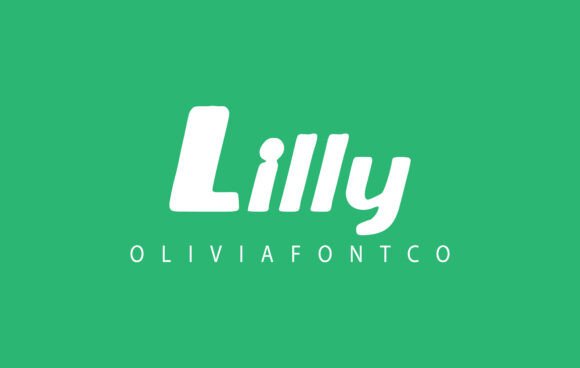
At its core, Lilly is an authentic handwritten font. This means it avoids the sterile, overly uniform look of many digital scripts. Instead, you'll notice natural variations in stroke weight, subtle inconsistencies in letterforms, and a graceful flow that mimics the movement of a pen on paper. Its defining characteristic is its romantic touch—a softness and elegance that feels inviting and sincere without being overly frilly or difficult to read. This balance is crucial. Many decorative fonts sacrifice legibility for style, but Lilly is expertly designed to function as both a striking display font for headlines and, in the right context, as readable body text.
Think of it as the typographic equivalent of a handwritten note on beautiful stationery. It conveys care, thoughtfulness, and a personal connection. This makes it a powerful asset for projects where building trust and emotional resonance is key. It’s a premium font that feels accessible, bridging the gap between high-end design and heartfelt communication.
Where Lilly Truly Shines: Practical Applications
The versatility of a well-designed handwritten font like Lilly is one of its greatest strengths. It’s not confined to a single niche but adapts to enhance a wide array of creative and commercial projects.
- Branding & Logo Design: For businesses centered on craftsmanship, wellness, boutique retail, or personal services, Lilly can become a cornerstone of the brand identity. Imagine it on a logo for a floral studio, a bakery, or a life coach. It instantly communicates a brand that is approachable, detailed, and passionate.
- Editorial & Publishing: In editorial design, Lilly can bring magazine covers, article pull quotes, or section dividers to life. It provides a beautiful contrast to a clean sans serif font body, creating a dynamic visual hierarchy that guides the reader's eye and adds emotional punctuation to the layout.
- Wedding & Event Stationery: This is a natural fit. From invitations and save-the-dates to menus and thank-you cards, Lilly adds that essential romantic and personalized flair that makes stationery feel special and bespoke.
- Digital Presence & Social Media: In the fast-scroll world of social media, authenticity stops thumbs. Using Lilly for social media graphics, Instagram Stories, or website headers can make a brand stand out. It’s perfect for quotes, announcements, or any piece of content where you want the brand’s voice to sound human and relatable.
- Packaging & Product Design: For packaging design, especially for artisanal goods, cosmetics, or gourmet foods, Lilly can be used on labels, tags, and boxes to suggest a product made with care and high-quality ingredients.
Making Lilly Work for You: A Practical Guide
Adopting a new creative font is more than just liking how it looks in a specimen sheet. To use Lilly effectively, consider these practical steps.
Evaluating Project Fit
First, ask if the font's personality aligns with your project's goals. Lilly's romantic, authentic style is ideal for conveying warmth, trust, and personal connection. It might be less suitable for a corporate law firm's annual report or a tech startup's UI, where clarity and neutrality are paramount. For those projects, a strong sans serif font or a traditional serif font would be more appropriate. Lilly is a tool for specific jobs, and knowing when to use it is half the battle.
Mastering Font Pairing
A script font like Lilly rarely works well alone in long-form text. Its power is amplified through thoughtful font pairing. The general rule is contrast. Pair Lilly with a stable, highly legible typeface for body copy. A clean, geometric sans serif (like Montserrat or Poppins) creates a modern, friendly contrast. A classic, readable serif (like Lora or Merriweather) can yield a more elegant, traditional feel. The key is to let Lilly be the star for headlines or key phrases, while its partner font handles the heavy lifting of paragraphs, ensuring overall readability.
Testing and Licensing
Always test a font in your specific context before finalizing a design. See how Lilly looks at the sizes you'll use. Check its performance on screen (RGB) versus in print (CMYK). Review the included styles—does it have the weights and glyphs (like special characters or ligatures) you need? Finally, for any commercial project—from a client's website to your own product packaging—ensure you have the correct commercial font license. This protects you legally and supports the type designers who create these valuable design assets.
In the end, a typeface like Lilly is more than just a collection of letters. It's a conduit for feeling. By understanding its character and applying it with intention, you can leverage this modern typography tool to create designs that don't just look beautiful, but also build genuine, lasting connections with your audience. It’s about choosing a font that doesn’t just speak, but whispers, invites, and resonates.